151st Edition
Weather – Fear or Fun?
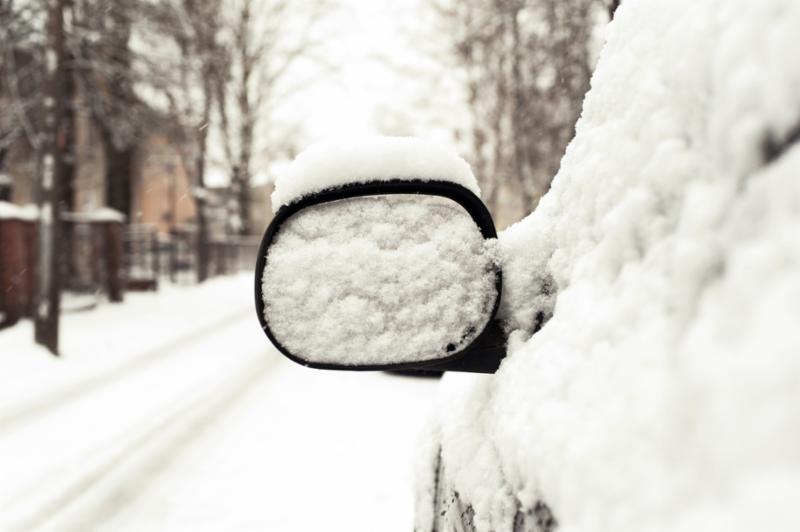
As I write this blog, the Southeast is bracing for the arrival of a major ice storm. In anticipation, warnings abound about what may happen, and all the potential risks. One particular warning on the Weather Channel cautioned people against trying to shovel snow. According to the health experts, it could present a serious cardiovascular risk. Heart attack snow she called it. I’m guessing any strenuous exercise might be a health risk to a certain demographic.
Meanwhile, schools, churches and businesses will likely close or reschedule activities. When it comes to severe weather, it’s always better to be safe. I’m not so sure about that…
A couple of stories…
In 1979, my best friend and I went on a ski trip to Killington, Vermont. The weather was cold when we left on our adventure, but we had no idea what was ahead of us. As it turned out, it was one of the coldest periods in the history of the state. At the bottom of the ski resort, the temperature was 38 degrees below zero. At the top of the mountain, it was more than 40 below. We skied the entire day, suffering a mild case of frostbite by the afternoon. Why did we do such a thing? Partly because we were 18 and 19 years old, respectively, but more so because facing challenges was part of our culture.
46 years later, four of us, including that same friend from the ski trip, went to Ireland on a golf adventure. The first two days it rained sideways. Wind gusts of 30 to 40 miles per hour and cold, unrelenting rain. We played both days and had a blast. No risk of frostbite, so why not? It was just another challenge to face head on, or maybe sideways, depending on which direction the wind gusts were coming from.
Are we too fearful today? Whether it’s Covid, severe weather, or an endless list of geopolitical risks, we seem to be mired in a fearful state of mind. Fear and distrust are correlated, and our trust in institutions and each other has cratered in recent years. So, it’s no wonder the threat of a few inches of snow can push some of us over the edge.
So, what can climb a wall of worry?…
There is an old adage that the stock market climbs a wall of worry. Basically, it means that the stock market will likely grind its way higher as long as fear is the overriding investor sentiment. Why? Because our fear produces scenarios that are almost always worse than reality turns out to be. And this eventual sigh of relief produces positive sentiment and higher stock prices. It is one of the stock market rules that has stood the test of time.
But what else can climb a proverbial wall of worry? Can our overall attitude and sense of community do a similar thing? Certain forces are stoking widespread fear for various reasons. First, to keep us watching certain news shows and perhaps motivating us politically. Second, to get us to purchase certain things like security systems, locks, guns, and gold. Even insurance and certain pharmaceuticals are marketed using fear. Fear sells, right?
But what if we decided to face our fears and put them in a different perspective? What if we dedicated the same amount of time we spend being fearful to identifying things for which to be thankful? Could thankfulness allow us to climb that wall of worry? What would this look like? Would a sense of community flourish? Would trust grow and polarization wane?
When asked about my childhood, which was certainly unremarkable, I usually respond that I spent most of it shoveling snow, raking leaves, or mowing lawns. I don’t remember my parents ever forcing me to, especially when the leaves were plentiful and the snow was deep. But they never discouraged me from facing the challenge that weather or a change in seasons produced. Things seem different today. I think my parents knew that facing challenges, especially strenuous manual labor, was an important aspect of growing up. They were so right, and I am forever thankful.
Please help me grow my readership by forwarding this to a friend(s). In the meantime, stay tuned for my next newsletter. Thanks!
Michael Kayes
*These views are my personal opinions and are not the viewpoints of any company or organization.